
 kr
kr 
태양광 발전 컨테이너란 무엇이며 에너지 배치를 변화시키는 이유
에이 태양광 발전 컨테이너 표준 선적 컨테이너 프레임(일반적으로 20피트 또는 40피트 ISO 치수) 내에 구축된 완전히 통합된 자급식 에너지 시스템으로, 태양광 패널, 배터리 저장 장치, 인버터, 충전 컨트롤러 및 모니터링 시스템을 단일 운송 장치에 수용합니다. 광범위한 토목 작업, 그리드 상호 연결 연구 및 몇 주간의 현장 조립이 필요한 기존 태양광 설치와 달리 태양광 발전 컨테이너는 공장 테스트를 거쳐 즉시 작동 가능한 시스템으로 목적지에 도착합니다. 플러그 앤 플레이 설계 철학은 일단 장치를 배치하고 태양 전지판을 배치하면 시스템이 몇 주가 아닌 몇 시간 내에 사용 가능한 전력을 생성하고 공급할 수 있음을 의미합니다.
이 접근 방식은 원격, 임시 또는 빠르게 변화하는 배치 환경에서 태양광 채택에 대한 가장 지속적인 장벽 중 하나, 즉 전력이 필요한 시기와 기존 설치를 현실적으로 시운전할 수 있는 시기 사이의 격차를 해결합니다. 비상 대응 작전, 건설 현장, 광산 캠프, 군사 전진 작전 기지 및 농촌 전력화 프로젝트는 모두 전력 수요가 즉각적이고, 현장이 영구적이지 않을 수 있으며, 기존 그리드 연결의 물류가 너무 느리거나 완전히 비실용적이라는 특징을 공유합니다. 태양광 발전 컨테이너는 장치가 현장에 도착하기 전에 통제된 조건에서 품질 관리, 시스템 테스트 및 성능 검증을 수행할 수 있는 공장 수준에서 모든 것을 사전 통합하여 이러한 격차를 해소합니다.
이동식 태양광 발전 컨테이너: 신속한 재배치를 위해 설계됨
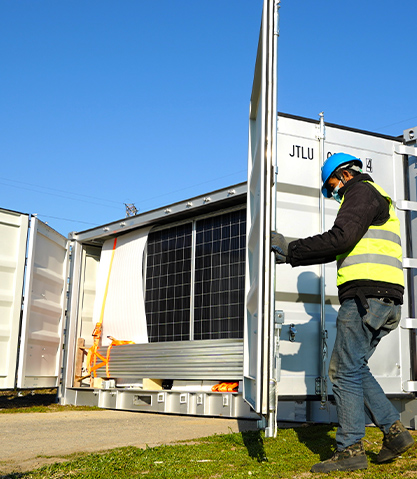
는 이동식 태양광 발전 컨테이너 반복적인 배포와 재배치를 나중에 고려하기보다는 기본 설계 요구 사항으로 우선시하여 핵심 개념을 한 단계 더 발전시킵니다. 표준 태양광 발전 컨테이너는 운송이 가능하지만 모바일 변형은 다중 운송 주기에 적합한 강화 구조 프레임, 빠른 연결 전기 인터페이스, 특수 도구나 기본 운영 직원 이상의 숙련된 노동 없이도 접고, 고정하고, 재배치하도록 설계된 태양광 어레이 장착 시스템을 통해 빈번한 이동을 위해 특별히 설계되었습니다.
이 수준의 이동성은 이동식 태양광 발전 컨테이너를 진정한 다중 장면 솔루션으로 만듭니다. 동일한 장치가 첫 번째 달에 재해 구호 집결지 역할을 하고, 세 번째 달에 계절별 농업 운영을 지원하기 위해 재배치하고, 연말까지 원격 통신 중계국에 전력을 공급하기 위해 다시 이동할 수 있습니다. 이 모든 작업은 핵심 시스템을 수정하지 않고도 수행할 수 있습니다. 이 자산 활용 모델은 시스템의 전체 수명인 20~25년 동안 자본 지출이 단일 사이트에 고정되는 고정형 태양광 설치와 근본적으로 다릅니다. 여러 임시 또는 반영구적 현장에서 에너지 인프라를 관리하는 조직의 경우, 가장 필요한 곳에 고가치 태양광 자산을 재배치하는 기능은 독립형 전력 공급의 경제성을 변화시킵니다.
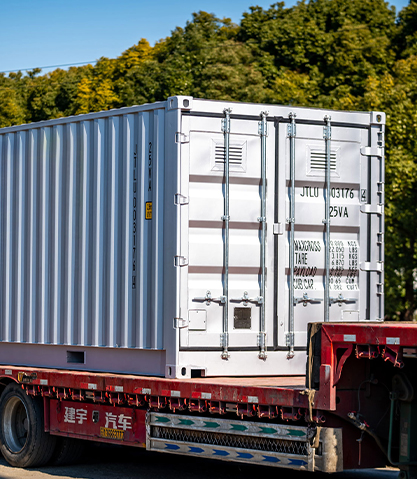
운송 호환성은 잘 설계된 이동식 태양광 발전 컨테이너의 주요 실용적인 특징입니다. ISO 컨테이너 치수를 준수한다는 것은 장치를 표준 평상형 트럭으로 이동하거나 특수 취급 장비 없이 화물선에 싣거나 진정한 원격 배치를 위해 대형 헬리콥터로 공수할 수 있음을 의미합니다. 글로벌 화물 인프라와의 이러한 상호 운용성은 특수 운송 허가 및 장비가 필요한 특수 목적의 트레일러 장착 시스템에 비해 접근 가능한 배치 위치의 범위를 극적으로 확장합니다.
Solar Fold Mobile Grid: 컴팩트한 형태 내에서 패널 용량 극대화
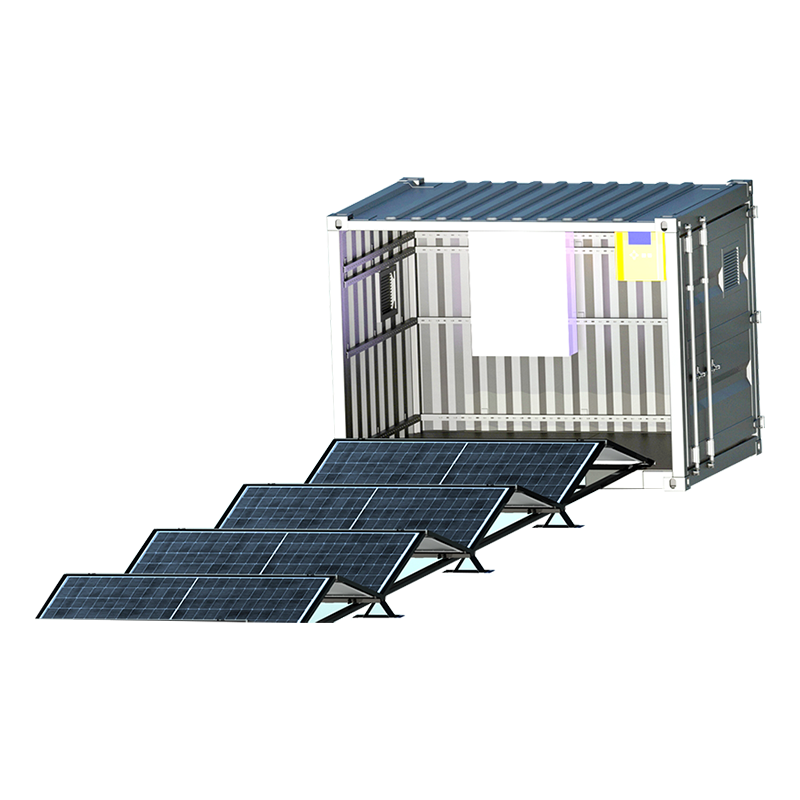
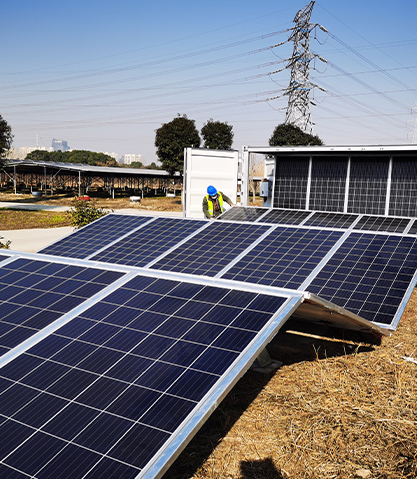
는 solar fold mobile grid is a specific panel deployment architecture used in advanced mobile solar power containers to dramatically increase the solar capture area relative to the container's footprint. Rather than limiting panel installation to the container roof — which constrains capacity to the roof area alone — the solar fold mobile grid uses mechanically or hydraulically actuated folding panel arrays that extend outward from the container's sides and ends when deployed, then fold flat against the container body for transport.
에이 well-engineered solar fold mobile grid on a 40-foot container can deploy panel arrays covering three to four times the container's ground footprint, enabling installed solar capacities of 30 kWp to 80 kWp or more from a single containerized unit — a range that supports meaningful load coverage for small communities, industrial processes, or telecom infrastructure without requiring separate ground-mount panel installations that add civil works complexity and site preparation time. The folding mechanism is designed for ease of operation by a two-person crew using either integrated electric actuators or manual crank systems, with locking pins that secure the array in both deployed and transport configurations.
는 solar fold mobile grid design also allows for optimized panel tilt angle adjustment during deployment, so operators can set the array angle appropriate to the site's latitude for maximum annual energy yield rather than accepting the fixed-angle compromise of roof-mounted panels. This combination of expanded area and adjustable orientation makes the solar fold mobile grid a significantly more capable energy harvesting system than static container roof configurations.
통합 시스템 아키텍처 및 주요 기술 구성요소
는 practical performance of any solar power container depends on how well its internal components are integrated into a coherent, reliable system. Factory integration means that wiring, protection devices, communication buses, and control software are all configured and tested as a complete system — not assembled piece by piece on site where installation errors, grounding faults, and configuration mismatches introduce reliability risks. The following components form the core of a fully integrated solar power container system:
- 태양광 PV 모듈: 모듈당 400W~600W 정격의 단결정 PERC 또는 TOPCon 패널은 현재 세대 시스템의 표준이며 소형 폼 팩터에서 높은 효율성을 제공합니다. 패널은 컨테이너의 내부 결합기 상자에서 끝나는 MC4 커넥터가 있는 스트링으로 사전 배선되어 있습니다.
- 배터리 에너지 저장 시스템(BESS): 인산철리튬(LiFePO4) 배터리 뱅크는 열 안정성, 4,000회 전체 사이클을 초과하는 사이클 수명, 밀폐된 컨테이너 환경에서의 안전 프로필로 인해 지배적인 화학 물질입니다. 일반적인 용량 범위는 컨테이너 크기 및 적용 요구 사항에 따라 50kWh~500kWh입니다.
- 하이브리드 인버터 및 충전 컨트롤러: 에이 bidirectional inverter manages power flow between the solar array, battery bank, AC loads, and optional grid or generator connections. MPPT charge controllers optimize energy harvest from the solar array across varying irradiance and temperature conditions throughout the day.
- 에너지 관리 시스템(EMS): 는 EMS software layer monitors all system parameters in real time, manages charge and discharge cycles to extend battery life, handles load prioritization during low-state-of-charge conditions, and communicates operational data to remote monitoring platforms via 4G/LTE or satellite.
- 는rmal management and ventilation: 에이ctive cooling systems maintain battery and inverter temperatures within optimal operating ranges, which is critical for performance in high-ambient-temperature deployment environments such as desert regions or tropical climates.
증가하는 전력 수요에 맞춰 확장 가능한 모듈식 배포
태양광 발전 컨테이너 플랫폼의 가장 전략적으로 가치 있는 특징 중 하나는 본질적으로 확장 가능한 모듈식 아키텍처입니다. 단일 컨테이너 장치는 작은 부하를 처리하는 독립형 마이크로그리드로 작동할 수 있습니다. 수요가 증가하거나 프로젝트 단계에 훨씬 더 많은 용량이 필요한 경우 기존 설치를 교체하거나 수정하지 않고도 추가 컨테이너 장치를 병렬로 연결하여 전체 태양광 발전, 배터리 저장 및 AC 출력을 비례적으로 확장할 수 있습니다. 이 모듈식 확장 모델을 통해 운영자는 적절한 규모의 초기 투자로 시작하고 부하 증가에 따라 지출이 정당화됨에 따라 점진적으로 용량을 추가할 수 있습니다.
는 scalable nature of this architecture is particularly well suited to sustainable development contexts, where initial community energy needs may be modest but expected to grow as economic activity develops around reliable power access. Rather than sizing a large fixed installation for projected future demand and accepting years of underutilized capacity, project developers can deploy a single mobile solar power container as the first phase and expand with additional units as actual demand data justifies the investment.
| 구성 | 태양광 용량 | 배터리 보관 | 일반적인 응용 |
|---|---|---|---|
| 단일 20피트 유닛 | 15~30kWp | 50~100kWh | 소규모캠프, 통신중계, 비상대응 |
| 단일 40피트 유닛(접이식 그리드) | 40~80kWp | 150~300kWh | 광산 현장, 농촌 마이크로그리드, 군사 기지 |
| 다중 장치 어레이(컨테이너 3~5개) | 150~400kWp | 500kWh~1.5MWh | 아일랜드 그리드, 산업 공정, 이벤트 전력 |
다중 장면 애플리케이션을 위한 사용자 정의 가능한 구성
표준 태양광 발전 컨테이너 형식은 광범위한 애플리케이션을 효과적으로 제공하지만, 가장 유능한 공급업체는 구매자가 특정 배포 상황에 필요한 발전 용량, 저장 크기, 출력 전압 및 주파수, 통신 인터페이스 및 구조적 기능의 정확한 조합을 지정할 수 있도록 진정한 맞춤형 시스템 구성을 제공합니다. 이러한 맞춤형 접근 방식은 태양광 발전 컨테이너를 일반 제품에서 까다로운 운영 환경을 위한 목적에 맞게 설계된 솔루션으로 전환하는 것입니다.
일반적인 사용자 정의 매개변수에는 출력 전압 구성(단상 230V, 3상 400V 또는 특정 산업용 부하에 대한 사용자 정의 전압), 하이브리드 디젤-태양광 작동을 위한 발전기 통합 인터페이스, 그리드 연결 백업 모드를 위한 해안 전력 입력, 혹독한 날씨 환경을 위한 IP 등급 외부 연결 패널, 컨테이너 인클로저 내의 물 펌프, 조명 패널 또는 통신 랙과 같은 추가 장비를 수용하기 위한 내부 레이아웃 수정이 포함됩니다. 다양한 지리 및 기후 조건에 걸쳐 배포를 관리하는 다중 현장 운영자의 경우 동일한 장치 설계 내에서 북극 및 열대 온도 범위에 대한 적절한 열 관리를 지정하면 사이트별 수정 없이도 자산이 잠재적 배포 위치 전체 범위에서 안정적으로 작동할 수 있습니다.
는 sustainable energy credentials of the solar power container platform are strengthened considerably when the customizable design enables true diesel displacement rather than merely supplementing existing generator sets. Systems engineered with sufficient battery storage depth to cover overnight loads and early-morning peak demand periods — combined with a solar fold mobile grid sized to fully recharge the battery bank from typical daily irradiance — can achieve diesel fuel savings exceeding 80% compared to generator-only operation, delivering both significant operating cost reductions and measurable carbon emission reductions that support corporate sustainability reporting and project environmental compliance requirements.